
Financial Inclusion Week: Building for how people actually use money
October 8, 2026
categories: Articles

Financial inclusion is about expanding access in a way that is useful, practical and built around the reality of people’s lives. Financial Inclusion Week is a useful moment to ask what that means in practice.
– Besma Ettiss, Head of Commercial Performance

At Zepz, we spend a lot of time thinking about things our customers should never have to think about: liquidity, FX, bank cut-offs, prefunding, settlement, payout partners, regulation and, increasingly, stablecoins and new payment rails. All of that complexity sits underneath something that should feel very simple: one person being able to get money to another person, wherever they are.
Technology is the layer that makes that possible. At its best, it takes all of the complexity underneath a financial system and makes it disappear, so money can reach the end customer where they need it, when they need it and in the way that works for them.
Mobile money is probably one of the best examples of what that looks like in practice. It did not succeed by recreating the traditional banking system on a smaller screen and asking people to adapt to it. It was built around infrastructure and behaviours that already existed, and around the way people actually needed to move and use money.The scale it has reached is remarkable. More than $2.1 trillion moved through mobile money globally in 2025. It took the industry twenty years to reach its first trillion dollars of annual transactions and only four years to double it.
That is financial inclusion at scale, but it is also a useful lesson for the next wave of financial technology. Progress does not always come from replacing the existing system. Often, it comes from connecting different parts of it better.
Stablecoins are a good example. At Zepz, we have seen where they can genuinely improve the way liquidity moves across borders: they can remove some banking-hour constraints, shorten parts of the settlement cycle and give us more flexibility in how we fund markets. But they do not make the rest of the financial system disappear.
In most countries, the money still needs to end up in local fiat, through the infrastructure people already use. Someone still needs to receive cedis, pesos or shillings into a bank account, a mobile money wallet or as cash. That is where a lot of the hard work still sits.
So the value of a new rail is not that it replaces everything that came before it. It is that it can make the whole journey work better when it connects properly into what is already there.
The same is true at the customer level, and it is one of the ideas behind the Sendwave Wallet. Giving someone access to digital dollars can be incredibly valuable, particularly in a market where the local currency is volatile. But the usefulness of that access depends on what happens next.
Can they fund the wallet using the payment methods available to them? Can they move back into local currency when they need to? Can they send the money onwards or use it in the financial ecosystem around them?
That is why the on- and off-ramps matter as much as the asset itself. The aim is not to ask customers to choose between an old financial system and a new one. It is to give them access to more of both, and make the movement between them as simple as possible.
That, to me, is an important part of financial inclusion. It is about meeting customers where they are, while also giving them the tools to get where they want to be.
For one person, that might mean being able to hold part of their money in dollars. For another, it might mean receiving directly into a mobile money account. For someone else, cash may still be the most useful endpoint. The point is not to prescribe one version of financial progress. It is to give people more choice, without asking them to navigate more complexity.
We see the same thing every day in remittances. When someone sends money home, they are not really buying a cross-border payment. They may be paying school fees, helping with rent, buying food or stepping in when something unexpected happens. Our More Than a Transfer research found that 70% of our customers support more than one recipient, which is a good reminder that a single transfer can sit behind a much broader network of responsibility.
That is why things that can feel like technical details from inside the industry matter so much. Whether the payment takes seconds or hours matters. The FX rate and the fee matter. Whether the recipient can access the money in the form they need matters. And the amount that ultimately arrives matters.
Making all of that work can be extraordinarily complicated. The customer should not have to experience that complexity. And, over time, they should benefit economically from us removing it too.
If new technology means fewer intermediaries, less capital sitting idle, faster settlement or cheaper ways of moving money, then the real test is whether some of those savings ultimately make their way to the customer. Better rails should not only make the system more efficient behind the scenes; they should help make moving money more affordable at the front end.
That matters particularly in remittances because a lower price is not an abstract efficiency gain. It is simply more money arriving with the person it was intended for.
As the financial system changes, we will keep building new rails, new wallets and new ways of moving and storing value. Some of them will materially change what is possible. But the sophistication of the technology cannot be the measure of progress on its own. The more important question is what becomes possible for people because we built it — and whether the benefits of that progress actually reach them.
If someone can support their family more easily, protect some of what they have earned from local currency volatility, receive money through the payment method that actually works where they live, or keep a little more of every transfer they receive, then the technology has done something meaningful.
That is the kind of financial inclusion worth building for.
That message from a family member could be a criminal in disguise.
Friends and family impersonation scams happen when criminals pretend to be someone you know and trust, often contacting you through WhatsApp, text message or phone calls asking for urgent financial help.
Our Stay Scam Safe series exists to give customers the tools to spot these tactics early, so criminals can’t take advantage of the trust shared between loved ones.
Here’s how to spot the warning signs to make sure you don’t send money to someone who isn’t who they claim to be.
– Zaheer Jassat – VP Product

Friends and family impersonation scams are becoming increasingly sophisticated. In addition to sending texts or emails, fraudsters are also now using AI-generated voices and fake phone calls to imitate family members, friends or trusted organisations.
A common tactic is pretending to be a child or relative texting from a “new number,” claiming they’re in trouble, stranded, or unable to access their bank account and urgently need money transferred. Criminals count on the emotional shock of the message to stop you asking too many questions. Remember never to send money to somebody you don’t know or haven’t verified, especially when put under time pressure to do so. Never download any payment apps, such as Sendwave and Worldremit under pressure from someone, this could be a clear indicator of a scam attempt.
What to watch out for
Impersonation scams can be difficult to spot in the moment, but a few tell-tale clues tend to give them away. Watch out for:
How to keep safe
A few simple habits can help protect you and the people you love:
If in doubt, put the phone down or step away from the conversation. A genuine friend or family member will understand if you take a moment to check.
We’re here to help
Customer safety is a top priority for us across both Sendwave and WorldRemit. If you suspect you’ve been targeted by a scam, or spot anything unusual on your account, get in touch with us through our official support channels straight away. The earlier we know about it, the sooner we can look into it, helping to protect you and others from fraud.
That dream holiday deal could end up costing you more than you think.
A purchase scam happens when criminals convince you to pay for goods or services that don’t exist. During the summer holiday season, travel scams become more common as fraudsters exploit the rush to book flights, accommodation and last-minute getaways, creating convincing offers designed to steal money before travellers realise they’ve been deceived.
As part of our Stay Scam Safe series, we’re sharing practical advice to help customers recognise common scam tactics and stay one step ahead of scammers.
Here’s what to look out for before booking your next trip.
– Zaheer Jassat – VP Product

Every year, criminals exploit the busy holiday season by creating fake travel deals that appear genuine. From holiday rentals and flights to package deals and hotel bookings, scammers know that attractive prices and limited-time offers can encourage people to act quickly.
Many of these scams are very convincing. Fraudsters create professional-looking websites, copy trusted travel brands or advertise fake properties on social media and online marketplaces. Some even send booking confirmations or receipts to make everything look legitimate.
Scammers often rely on excitement and urgency, hoping people will focus on securing the deal rather than checking whether it’s genuine. By the time victims realise something is wrong, the money, and the holiday, have disappeared.
Travel scams can be very convincing, but there are often warning signs. Be cautious if you notice any of the following:
Many scams also create a false sense of urgency. Claims such as “last room available”, “today only” or heavily discounted prices are designed to rush people into making a payment before they’ve had time to check whether the offer is genuine.
A few simple precautions can go a long way:
A few extra minutes spent checking before you pay could help protect your money and make sure your holiday gets off to the right start.
Keeping customers safe is a responsibility we take very seriously across Sendwave and WorldRemit. If you think you’ve been targeted by a scam or notice suspicious activity on your account, contact us through our official support channels as soon as possible. Reporting concerns early gives us the best opportunity to investigate and help protect you and others from fraud.
It doesn’t start with your money. It starts with your information.
Identity theft happens when criminals steal personal information such as your name, address, date of birth or identity documents and use it to commit fraud.
As digital financial systems and security networks become increasingly sophisticated, scammers have shifted their strategy. They’ve recognised that targeting individuals directly is a more efficient way to gather the information they need.
As part of our Stay Scam Safe series, we’re sharing practical advice to help customers recognise common fraud tactics and protect themselves from scams that target individuals directly.
Here’s how to spot the warning signs and protect yourself.
– Zaheer Jassat – VP Product
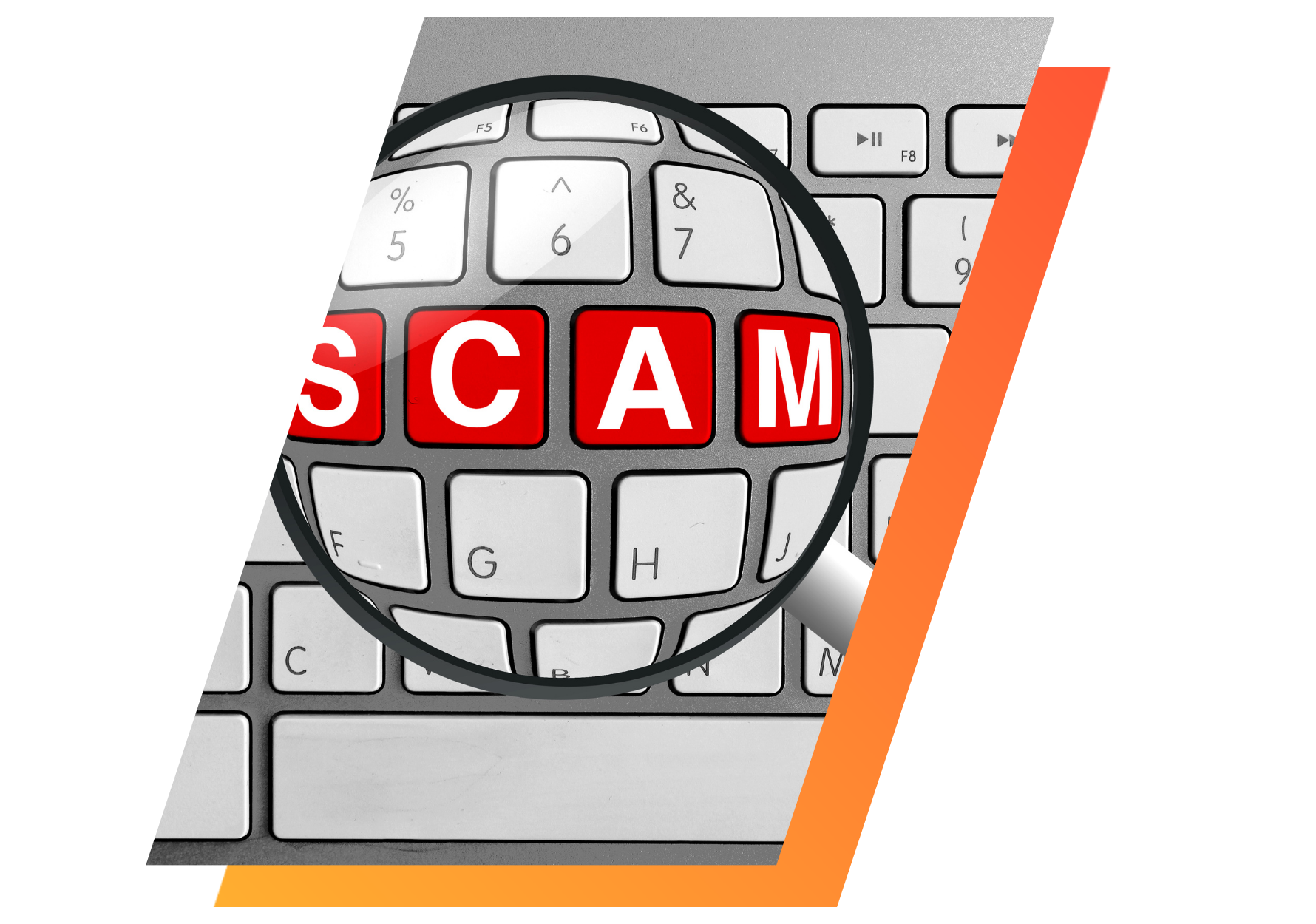
Identity theft can be difficult to spot at first. In many cases, victims do not realise anything is wrong until they receive letters, emails or notifications about accounts, loans or payments they never applied for.
Criminals can obtain personal information in a number of ways. They may steal mail, hack into accounts, send phishing messages, or gather information people share publicly online to build a profile over time. Even small details shared on social media can help scammers piece together enough information to impersonate someone.
These scams are designed to go unnoticed for as long as possible. That’s why protecting your personal information is so important, both online and offline.
Scammers want enough information to pretend to be you.
They may use stolen details to:
Often, identity theft happens gradually. Criminals collect information over time, combining details from different places until they have enough to use fraudulently.
How to keep safe
When it comes to protecting your identity, a few simple habits can make all the difference:
Taking a moment to pause, verify requests and protect your details can help to prevent identity theft.
We are here to help protect you
Keeping customers safe is a responsibility we take very seriously across Sendwave and WorldRemit. If you notice unusual account activity or believe your personal information may have been compromised, contact us through our official support channels as soon as possible. The sooner suspicious activity is reported, the faster action can be taken to help protect you and others from fraud.
Sending money home is more than just a transaction—it’s an ongoing act of love and commitment. Customers work hard to support the people who matter most, and that dedication deserves to be recognised. That’s why Sendwave is launching Sendwave Rewards: a way to say, ‘We see you,’ and give customers a little something back for every transfer they make.
– Cat Daniel, VP Growth and Marketing at Zepz

For millions of people, sending money is not an occasional task. It is an ongoing act of care and love. It is something they do every month, every payday or whenever family and friends need support. These transfers help families manage everyday expenses, education, healthcare and unexpected costs across borders.
At Sendwave, we see that commitment every day. Customers trust us with money that carries real meaning, and that is what inspired us to build something that helps them get more value from every transfer.
That is why we are launching a new rewards programme for Sendwave customers, starting in the UK and expanding to additional markets. Customers will earn points as they continue to send with Sendwave.
Building value with every transfer
Every transfer should have the potential to go further. Customers can build rewards over time and decide when to use them. Some may choose to redeem value straight away. Others may prefer to build it over several transfers before using it to provide extra support for the people they care about. Whether it is used immediately or saved for a future moment, customers remain in control of when that value can make the biggest difference.
The experience is designed to be clear, flexible and achievable. Whether someone sends money every week or every month, rewards should feel meaningful and easy to understand. Customers can choose to use their rewards at the moment that matters most to them.
Beyond rewards
This launch is only the beginning.
As the financial lives of our customers increasingly span countries, households and generations, they need services that do more than simply move money. They need products that help them manage value, plan ahead and create more opportunities for the people who depend on them.
Rewards are one step in that direction. They are a way to give customers more from the money they already send, while building towards a broader set of financial products designed around the realities of cross-border life. That is the future we are building: financial services that help customers send, use and grow value in ways that support their families and strengthen the connections that matter most.
The International Day of Family Remittances is a moment to recognise the millions of people who support loved ones across borders every day. We asked colleagues across Zepz to share their stories and what remittance mean to them.
Every year, the International Day of Family Remittances shines a light on the millions of people around the world who support loved ones across borders. At Zepz, this day holds particular significance. Many of the communities we serve rely on remittances to support families, navigate emergencies, invest in education and build more secure futures.
For many of our colleagues, these experiences are personal too. When we asked our teams what inspires them in their work at Zepz, many highlighted the human stories behind every transfer. Others shared that knowing their work helps improve everyday life and provides peace of mind for families around the world is what motivates them most.
These experiences extend beyond the workplace. We asked our colleagues what remittances mean to them personally, and they shared stories spanning countries and generations, but with a common thread: distance may separate families, but remittances help keep people connected. Here are just a few of the fantastic stories that exist across our teams at Zepz.
– Diana Gonzalez Vega, Associate Marketing Manager

Jessie’s story
For Jessie Files, Market Launcher at Zepz; remittances are a way to support both loved ones and communities across borders. From the United States, she sends money to Haiti, the Dominican Republic and India, helping support family members, education and charitable causes, including an orphanage. For Jessie, remittances are a simple but powerful way to care for others, no matter the distance.
“To me, remittances are about peace of mind. I feel grateful to be in a position to help when someone reaches out in a moment of need. Sometimes that support can be their last hope, and being able to help quickly makes a real difference. Receiving a message afterwards from a friend or loved one is one of the most rewarding feelings.”
Diana’s story
Diana Gonzalez Vega, Associate Marketing Manager at Zepz supports her father in Colombia with medical expenses and unexpected emergencies, while also celebrating birthdays and special occasions from afar. She also invests in real estate projects back home, helping build a future that spans borders. For Diana, remittances are both an expression of care and a way to stay connected to home.
“I send money to Colombia to support my dad and stay connected to my family, but also to give something back. My dad sacrificed a lot for me, and remittances give me the opportunity to support him in return. For me, remittances are so much more than transactions. They’re a bridge that keeps us connected to the people and places we call home.”
Leo’s story
For Leo Albea, Senior Growth Marketing Manager at Zepz, remittances are part of a family legacy. His father, the only one of five siblings to immigrate to the United States, spent years supporting relatives in the Philippines, helping nieces and nephews access education and assisting family through difficult times. Today, Leo continues that tradition, supporting his extended family in the Bicol region and carrying forward a cycle of care that spans generations.
“I send remittances to many of my family members in the Philippines. Supporting family back home is a tradition my dad followed, and I’m proud to continue it. For me, remittance is a love language. It reminds me how blessed I am and how important it is to support others.”
Amina’s story
Living in the UK while supporting loved ones in Somaliland, Amina Ahmed, Project Manager at Zepz, sees remittances not simply as financial transactions, but as a way of remaining present for family across borders. Whether contributing to celebrations, supporting loved ones or sharing in important moments, remittances maintain connections that distance cannot diminish.
“Remittance is family. Most of us practise remittance every day without even realising it. We chip in for a gift or help a family member through a difficult month. Remittance allows me to tell the people I love that I’m holding space for them, and they’re holding space for me. For me, it’s a way of maintaining that connection.”
As we mark the International Day of Family Remittances, these stories remind us that behind every transfer is a person, a family, and a community.
This year, the conversation extended beyond our own organisation. Cat Daniel, VP Growth & Marketing at Zepz, joined industry leaders at an International Day of Family Remittances event hosted by the International Fund for Agricultural Development (IFAD) to discuss the future of remittances and cross-border financial services.
Scammers don’t hack systems, they pressure people. Here’s how to protect yourself.
Across the payments industry, there is a clear rise in scams where criminals pretend to be someone you trust. You might be contacted by a company you’re dealing with, customer support, the police, or even a friend or family member. Often, this happens when you’re already trying to resolve something, like a refund or a payment. That’s not a coincidence.
These scams are designed to catch you off guard, especially when something feels urgent. That’s exactly when criminals strike. If that happens, pause and take a moment before doing anything.
This is known as social engineering. Instead of breaking into systems, criminals manipulate people and play on their vulnerability and trust.
– Zaheer Jassat – VP Product
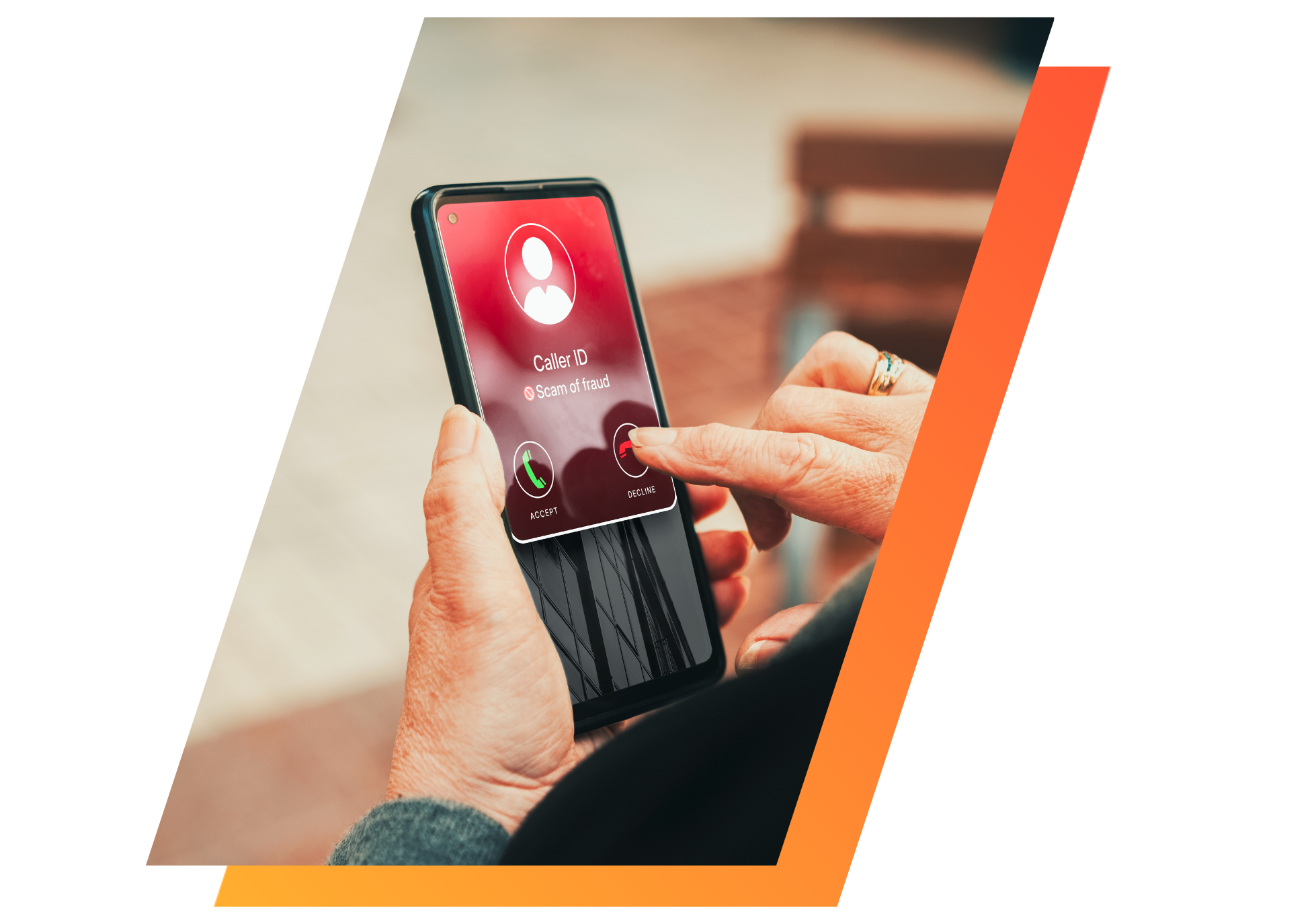
The goal is simple: They want you to share sensitive information to be able to access your money or for you to send money yourself.
To do that, they create urgency. They might tell you your account is at risk, that you need to act immediately, or that they are helping you secure your money or even process a refund. Step by step, they guide you through what feels like a legitimate process.
At Zepz, we continuously monitor these patterns and share guidance like this to help protect customers before fraud happens. But there is a clear line you should never cross – a legitimate company will never ask you to send money to receive money, fix a problem or to protect your account. If that happens, it is a scam.
When something feels urgent or unusual, a few simple rules can make all the difference:
Even pausing for a few seconds can be enough to break the pattern scammers rely on. If something feels off, or too good to be true, trust that instinct. These scams work because they interrupt normal decision-making. They push you to act first and question later. Taking a moment to step back, verify the situation and use official channels can prevent a loss. Because when it comes to your money, certainty matters more than speed.
At Zepz, protecting our customers across Sendwave and WorldRemit is a priority. If something doesn’t feel right, contact us directly through official channels. Our teams investigate every report and take action to help keep customers and cross-border communities safe.
Financial literacy is often talked about within the boundaries of a single country: one currency, one system, one set of rules.
As Financial Literacy Month puts a spotlight on how people manage money, this framing captures only a fraction of how money is used globally today.
For those living and working across borders, money is part of something bigger. It is how rent is paid, how school fees are covered, and how families stay supported across distance. It is a regular responsibility, shaped by exchange rates, fees, delivery times, and what ultimately arrives on the other side.
– Urouj Khan, Director of Product Marketing at Zepz

Learning through experience, not theory
Over time, people figure out how money moves. Not through theory, but because they have to: A transfer arrives slightly short because of unexpected fees. Another takes longer than expected, delaying when money is needed. Sometimes it means checking a transfer twice before sending, knowing that even a small difference can matter on the other side.
These moments are not minor. They shape whether families can depend on that support. They affect whether support arrives on time, whether bills can be paid, and how reliably people can show up for those who depend on them. So choices become more deliberate. People learn what works, what does not, and what can be relied on. This is financial literacy shaped by everyday decisions. It is knowing what works, because it has to.
What people really need: predictability
People may know what to look for, but still struggle to predict what will actually happen. As more people live and work across borders, expectations are shifting. People want clarity before they act and consistency across corridors, so that each decision builds on the last instead of starting from scratch every time.
Financial literacy does not exist in isolation. It depends on whether systems allow people to apply what they know in practice. When information is clear and consistent, experience compounds. When it is not, even familiar decisions can feel uncertain.
Making outcomes clearer
For people sending money across borders, clarity matters. At Zepz, the focus is on reducing that uncertainty.
This means making the outcome of a transfer clear before it happens. What will arrive, when it will arrive, and what it will cost, so expectations match outcomes. With greater consistency at the point of action, decisions become easier to make. Outcomes become more predictable. And people are better able to support the people who depend on them.
That is what financial literacy looks like in real life. Not mastering complex systems, but being able to make confident decisions when it matters most.
At Zepz, our mission is to help people move money across borders with clarity, confidence, and control. Across our brands, that means giving customers the information they need to make informed decisions about their money, especially when supporting loved ones across borders.
To support this mission, we are introducing a clearer way of displaying transfer fees on Sendwave, one of Zepz’s core brands. Our goal is simple: to make it easier for customers to understand what they pay, compare options, and ultimately, choose what works best for them.
– Cat Daniel, VP Growth and Marketing at Zepz
Supporting better choices
Sending money is not just a transaction. It is tied to everyday needs, family responsibilities, and careful budgeting, because every cent matters.
By showing the transfer fee separately from the exchange rate, Sendwave customers can see the full cost of a transfer upfront. This even clearer structure makes it easier for customers to plan their finances and send with confidence.
Finding the perfect way to send
Clear pricing also supports better choices. Different ways of sending money come with different costs. For example, a bank transfer may be more cost-effective than a card top-up, and sending to a bank account can differ from cash pickup. By making these differences visible, customers gain more control over how they send money and can select the option that best fits their needs.
In regions where it is available, the Sendwave Wallet adds another layer of flexibility. It allows people to hold funds in digital dollars, make transfers or withdraw funds when the rates are more favourable, and access lower-cost payout options as they become available. Together, these tools enable more proactive, confident money management.
Clear pricing, competitive rates, and flexible sending options are more than just product updates. They are foundational steps toward building trust and creating a fairer, more sustainable cross-border financial ecosystem. By improving transparency on Sendwave, Zepz continues to invest in long-term value for the communities we serve.
Part two of our International Women’s Day series exploring leadership.
In our previous blog, we looked at what “Give to Gain” means to women across Zepz, and the role mentorship and advocacy play in lifting others up. Support is only one part of the story though, leadership also plays a critical role in shaping environments where people feel empowered to contribute, grow and thrive.
At Zepz, leadership isn’t only about delivering results – it’s about creating a culture where people feel valued and able to make an impact. For Charity Shah, Vice President of Product, leadership is about creating an environment where people feel seen, supported and empowered to make a difference. “I hope my team feels heard. I hope they feel they’re being set up for success, and the work they do is important. I hope they feel empowered to make a change when things are not working. The work we do at Zepz gives us a great opportunity to make a difference. Our mission is to create prosperity and break down barriers for cross-border communities, no matter what their gender. So, having empowered teams that deliver solutions against that mission will have a positive impact on women everywhere Zepz operates.”
That purpose-led approach is echoed by Alice Zang, Senior Product Manager, who believes leadership should be grounded in empathy and values. “I hope I’m able to show that leadership can be empathetic, inclusive and not ego-driven. I hope that we can create a culture that is more sustainable and value-driven.”
Inclusive leadership also depends on male allies who help build fairer environments for everyone. As Arnab Roychowdhury, Head of Compliance, highlights: “I hope I’m modelling leadership that displays fair treatment for my co-workers regardless of their sex.”
– Charity Shah, Vice President of Product

While many leaders are working to create more inclusive workplaces, there is still progress to be made – particularly when it comes to representation and recognition. Nika Naghavi, Director of Strategic Partnerships, reflects on the subtle but persistent challenges many women continue to experience in the workplace and her hopes for the future. “I’d like for the next generation of women not to have to work harder just to be considered equally credible. Many of us have experienced it – subtle moments where you’re interrupted, where your analysis is re-explained back to you, or where the same point seems to land differently when repeated by a male colleague. It’s rarely dramatic. It’s just embedded.”
For her, real progress will come when credibility is no longer shaped by gender. “The change I want to see is simple: credibility that isn’t gendered. An environment where expertise is assumed based on capability, not filtered through bias. Where women can spend their energy shaping strategy and building systems – not managing perception. If the next generation can focus on impact instead of constantly establishing legitimacy, that will be real progress.”
The idea of representation is also a critical factor in driving change forward. As Product Director, Kerri Shilts, explains, the higher you look in many organisations, the fewer women you see. “The most glaring gap remains at the top. As we look further up the corporate ladder, female representation thins out, and that is a systemic problem. When we lack women in senior leadership, we lose out on the diversity of opinion and perspective that drives real innovation.”
Closing that gap requires deliberate action. “Progress requires a concentrated, intentional effort to hire and promote women into executive roles. We need to ensure the leadership table actually reflects the world we live in.”
For Freda Groenewald, Director of Corporate Development, building that future also means changing how we think about career paths – particularly for mothers.“I want future generations of women – especially in fast-paced and (currently) male-dominated industries – to see leadership roles filled with women who are also mothers, without it being framed as extraordinary.”
Policies such as equal parental leave can play a powerful role in normalising caregiving responsibilities. “When caregiving is shared equally by all parents, women are no longer disproportionately impacted. I also hope leadership representation continues to evolve. Not just more women in the room, but more diverse women in the room. Representation changes ambition – when you can see someone who looks like you at the table, you believe you belong there too.”
Justine Dinter, Chief People Officer, sees encouraging progress in organisations that are actively confronting these challenges. “I hope we have made a difference at Zepz through value creation, culture development and I truly think we’re out there in terms of having such naturally diverse, mission driven teams. However, it’s typically true that the percentage representation of female leaders decreases as roles become more senior in a company’s structure. Progress is being made but I hope to see much more of this.”
Alongside representation and policy changes, many of our female leaders also emphasised the importance of confidence, authenticity and community – especially for women starting out in their careers.
For Charity, leadership begins with honesty and vulnerability. “If I could talk to my younger self I’d tell myself that it’s okay to show vulnerability, to be honest, and to ask for help. Do not try to adhere to the traditional mold of leadership. I’m most comfortable when I’m able to show emotions, admit mistakes, say when I don’t know everything and that I need help.”
Kerri highlights the importance of community and supporting one another. “There will always be noise – don’t let it distract you from your value. Be unapologetically true to yourself. Beyond that, don’t try to go it alone. Identify a strong group of friends and seek out female role models who have paved the way. Most importantly: always support other women. Our collective power is much greater than our individual hustle.”
Arnab also encourages confidence, “my advice is to have confidence in your own knowledge and beliefs and to let that confidence come through in what you say and how you act.” A belief shared by Justine who also reminds us that sometimes the most valuable contribution is the one that challenges the room. “Have confidence in being yourself. Be proud of your skills, personality and opinions – if those opinions are different to every other person in the room, that doesn’t make them any less valid. Sometimes the most valuable thought in the room is the different view.”
October 8, 2026

September 30, 2026
August 26, 2026
That dream holiday deal could end up costing you more than you think.
July 16, 2026
It doesn’t start with your money. It starts with your information.

July 2, 2026

June 16, 2026
May 11, 2026
Scammers don’t hack systems, they pressure people. Here’s how to protect yourself.

April 27, 2026

April 8, 2026