In a few days on 24 January, the United Nations will mark its International Day of Education, which recognises the role that learning plays in shaping people and communities. This year’s theme, “The power of youth in co-creating education”, highlights young people as agents of change and reminds us that learning does not stop in childhood.
Education is lifelong, and that includes financial education. As the world evolves, so do the ways people work, live and support each other across borders. Financial education becomes part of how people navigate these systems and make decisions with confidence and dignity. In this context, financial literacy shows up in the small decisions people make every day as they navigate payments, transfers and managing value across borders.
Why financial literacy is essential for cross-border communities
When we talk about financial education at Zepz, we talk about giving people the tools and knowledge to navigate increasingly complex financial systems and make informed decisions about their futures. It’s about breaking down jargon and complexity to give people financial choice and freedom.
For many of the people we serve, from migrants and cross-border workers to students, expats and entrepreneurs, financial learning is not theoretical. It is tied to the practical decisions they need to make every day.
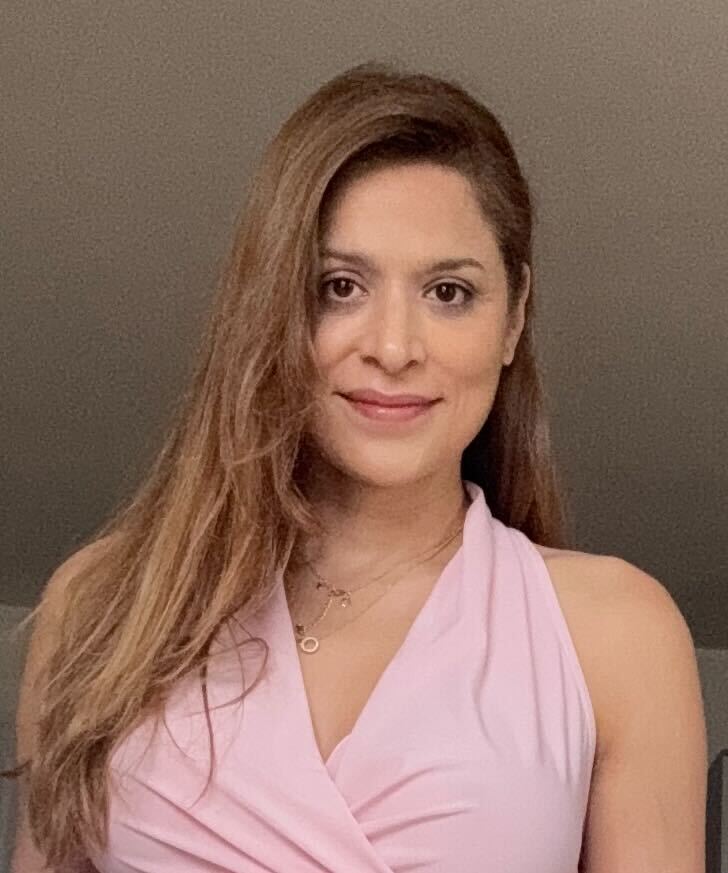
– Urouj Khan, Director of Product Marketing at Zepz

The practical reality of financial decision-making
Members of cross-border communities regularly weigh up questions such as:
- How much can I send this month while still planning responsibly for my own needs?
- Which service is the most affordable once I include both fees and exchange rates?
- Is it safer to hold value in my local currency, in digital dollars or in a bank account?
These are not small choices. They determine how families pay rent, access care and keep children in school. People living and working across borders make financial decisions like these with care and intention every day. Financial education adds confidence and clarity. It helps people compare options, plan ahead and participate more fully in the financial systems that affect their lives.
Closing the gap through technology and inclusive design
For people who move across borders, the stakes are even higher. Many financial systems were not built with their needs in mind. Credit history requirements and scoring models can leave entire communities outside the formal economy, not because they lack value, but because they fall outside the system’s view. Financial education helps close this gap by supporting informed decisions and enabling economic participation.
Technology can reinforce this when it is designed and explained responsibly. At Zepz, tools like the Sendwave Wallet give customers new ways to hold digital dollars, support loved ones and move value across borders in faster and more predictable ways.
A shared responsibility across the financial ecosystem
But financial education does not rest on individuals alone. The responsibility is shared across the ecosystem – from fintechs and payment companies to banks, remittance providers, regulators and governments. Promoting transparency and trust within the global remittance value chain is part of this responsibility. Together, the industry must ensure that financial tools are not only available, but also understandable and trustworthy. That means:
- Communicating in accessible, inclusive language
- Providing clear information about costs, risks and protections
- Designing products that help people learn through use, not just through instructions
- Keeping safety and customer protection at the centre
Financial education does not remove every barrier, but it expands the space in which people can act with confidence. And that confidence is what turns access into empowerment.
At Zepz, we’re building the financial infrastructure that enables this empowerment. If you’re interested in shaping what comes next, learn more about working with us here.