Financial literacy is often talked about within the boundaries of a single country: one currency, one system, one set of rules.
As Financial Literacy Month puts a spotlight on how people manage money, this framing captures only a fraction of how money is used globally today.
For those living and working across borders, money is part of something bigger. It is how rent is paid, how school fees are covered, and how families stay supported across distance. It is a regular responsibility, shaped by exchange rates, fees, delivery times, and what ultimately arrives on the other side.
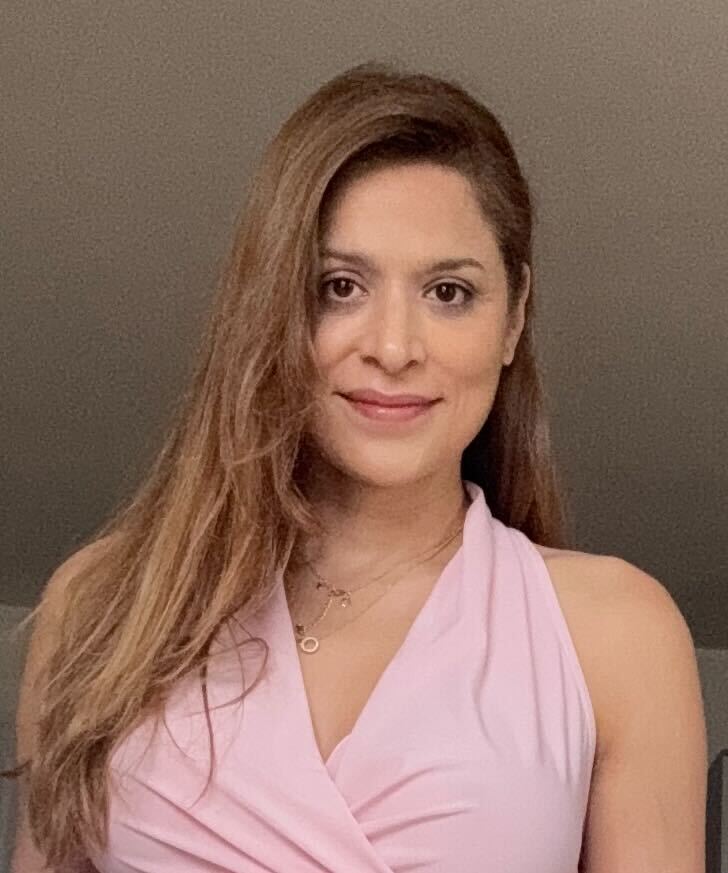
– Urouj Khan, Director of Product Marketing at Zepz

Learning through experience, not theory
Over time, people figure out how money moves. Not through theory, but because they have to: A transfer arrives slightly short because of unexpected fees. Another takes longer than expected, delaying when money is needed. Sometimes it means checking a transfer twice before sending, knowing that even a small difference can matter on the other side.
These moments are not minor. They shape whether families can depend on that support. They affect whether support arrives on time, whether bills can be paid, and how reliably people can show up for those who depend on them. So choices become more deliberate. People learn what works, what does not, and what can be relied on. This is financial literacy shaped by everyday decisions. It is knowing what works, because it has to.
What people really need: predictability
People may know what to look for, but still struggle to predict what will actually happen. As more people live and work across borders, expectations are shifting. People want clarity before they act and consistency across corridors, so that each decision builds on the last instead of starting from scratch every time.
Financial literacy does not exist in isolation. It depends on whether systems allow people to apply what they know in practice. When information is clear and consistent, experience compounds. When it is not, even familiar decisions can feel uncertain.
Making outcomes clearer
For people sending money across borders, clarity matters. At Zepz, the focus is on reducing that uncertainty.
This means making the outcome of a transfer clear before it happens. What will arrive, when it will arrive, and what it will cost, so expectations match outcomes. With greater consistency at the point of action, decisions become easier to make. Outcomes become more predictable. And people are better able to support the people who depend on them.
That is what financial literacy looks like in real life. Not mastering complex systems, but being able to make confident decisions when it matters most.